
written in 1967 of Else Halmøe Dohm From an article in Danish magazine
AT THE SHIP’S END
This story begins then in a loft in Nyhavn DK and ends on St. Thomas where a Danish girl and her family found a way to live.
For five generations the Halmoe men sat sewing white wings for tall ships, in a loft in Nyhavn. Staysails and mainsails, topsails and mizzens for frigates that dove over the great seas like roaring swans, and other sails for more modest schooners and galeass that went at a steady speed with potatoes from Samso to Aarhus, or with pears from Gra to Børebroen, in Copenhagen.
Pilot cutters awaited the arrival of the long-distance sailors from the great draughts west of Skagen’s reef, and north of Gilleleje, with Halmøes’ furled and knotted by fishermen’s hands, ropes, the same kind of sails when it started to gale from the north or west on the dogger bank, and twelve miles from the inaccessible coasts of Iceland.
The curved sailmakers needles went in and out through the coarsest linen, and the dry, warm scent of hemp and sisal surrounded the men who sat bent over the big sails in the attic in Nyhavn, while sailors and bulwarks fought over the girls down in the small taverns in the basement, so fat officers with helmets and beer mugs had to come down to look at the proceedings. Over the roofs, seagulls screamed in the breeze from the Sound.
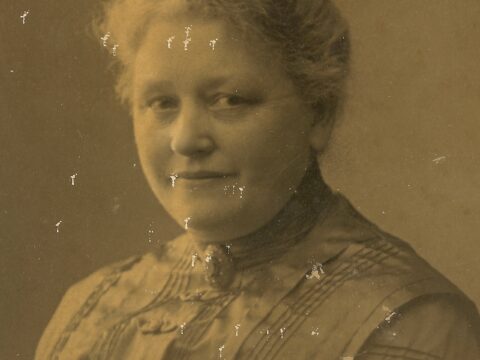
In this atmosphere Else grew up.
From a very young age she sailed with her father, with her brothers, with whom she had a chance to sit on a cool afternoon, out on the Sound, to distant islands like Saltholm and Hven, when it was Sunday, and there was air to escape from the mainland. She got salt water in her blood and farsightedness in her eyes but she took her girls’ school exams from Miss Kbeh’s school in Østerbro, together with nice people’s nice girls, who frowned on Else, of ships and sails, three knots of current at Drogden’s lighthouse, southern coolies and boats and bouys in the sail channel out in Kalveboderne. The sea was not for girls, and the job of a sailmaker was not suitable for young fingers. Else went to work in her father’s business, and prepared herself for a common and inevitable future as a land-bound citizen’s wife, in company with silver plat-de-menage, Miss Jensen’s cookbook and the seagull set as her only connection to life on the sea.
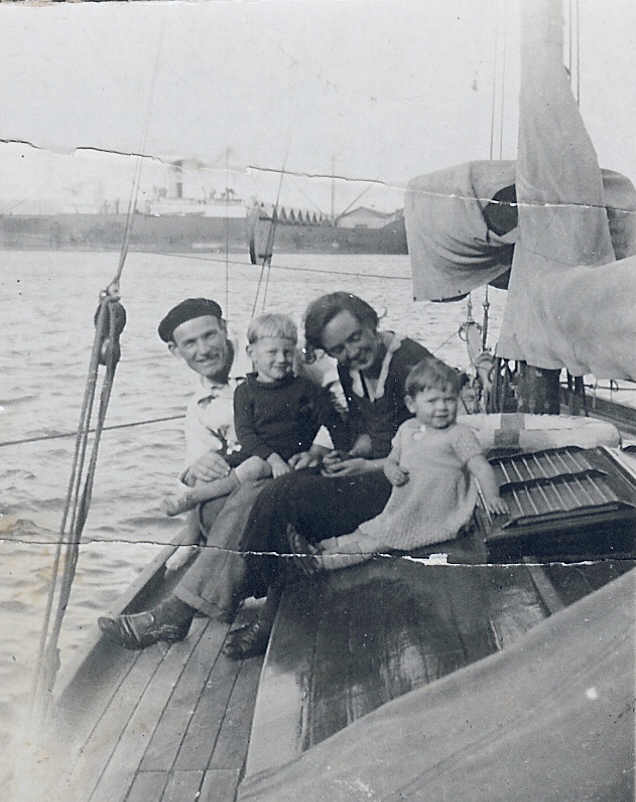
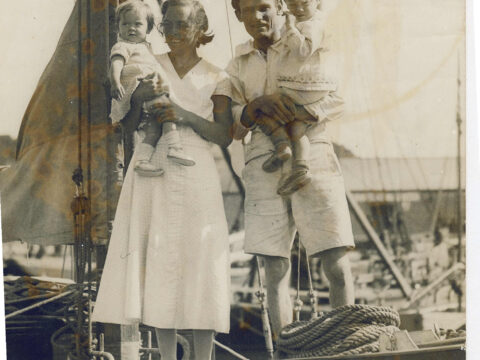
But then Peter Dohm came in through the door, with a breath of the old world casting an aura around his fair locks. German journalist, correspondent for a number of magazines, adventurous and more devil-in-the-middle than most, one meets on the King’s Town Square, and to the ball in the bourgeois. They were married in 1932. Else bought a ten-meter boat from her brother – and then they threw off the harbor and normal concepts of a respectable existence – and were at sea with a boy. of a year and a half and a girl of four months as a home. It was in 1934.
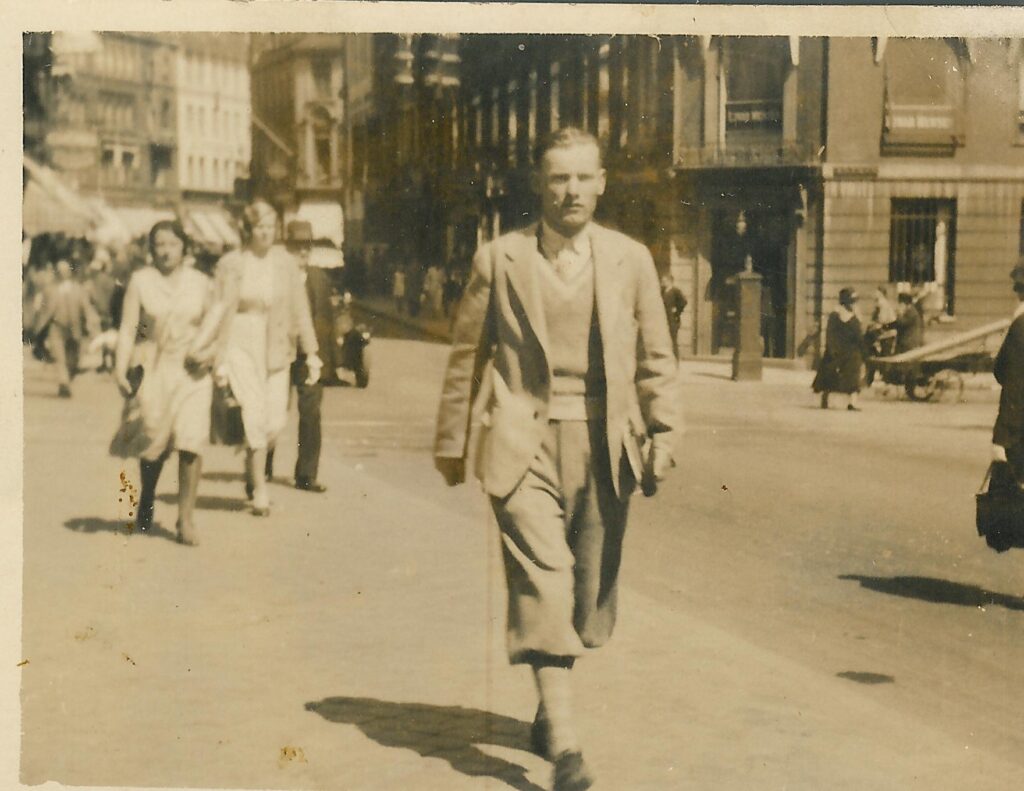
But then Peter Dohm came in through the door, with a breath of the old world casting an aura around his fair locks. German journalist, correspondent for a number of magazines, adventurous and more devil-in-the-middle than most, one meets on the King’s Town Square, and to the ball in the bourgeois. They were married in 1932. Else bought a ten-meter boat from her brother and then they threw off the harbor and normal concepts of a respectable existence – and were at sea with a boy. of a year and a half and a girl of four months as a home. It was in 1934.
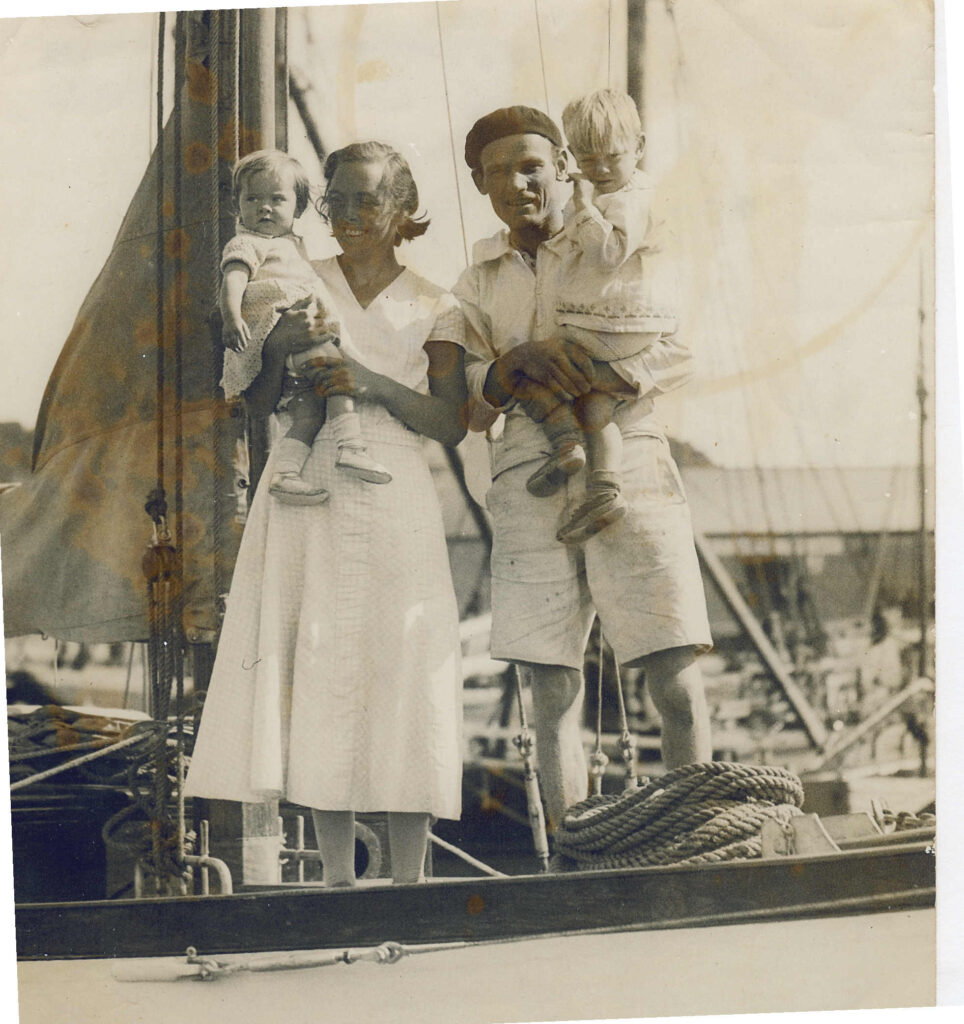
They scattered about. There couldn’t be too far between the small harbours where you could get baby milk and semolina from the shipwright. Up the Swedish coast it went smoothly. From there they took the Limfjord along, from Hals to Thyborøn — and diapers hung dry in the rig, where they worked both as mainsail and staysail. The days turned into weeks, and they got the lighthouse from both, Goodwin Sade and Ushant and Cape Finisterre. They ate Portuguese and Spanish fruits that neither farmers nor sailmakers in Nyhavn see.
They had suffered a great deal more evil than good, good, good — but when the sun shines, and you lie on the coast from Gibraltar to Madeira, with dolphins jumping merrily above you, you forget the bad days and remember the good ones, and feel like slipping into Dakar to see if Negroes are really as black as you see them in pictures, and to feel what it is like to pick dates and other Christmas goodies from the trees to the accompaniment of camels’ braying, and the monotonous, wailing song of the Arabs.
The children learned to drink goat’s milk, and then Peter and Else came to Tenerife. From there it is no further to the great, adventurous world on the other side of the Atlantic than Columbus could cover the distance in 42 days with his clumsy “Santa Maria” and his somewhat incomplete sea charts.
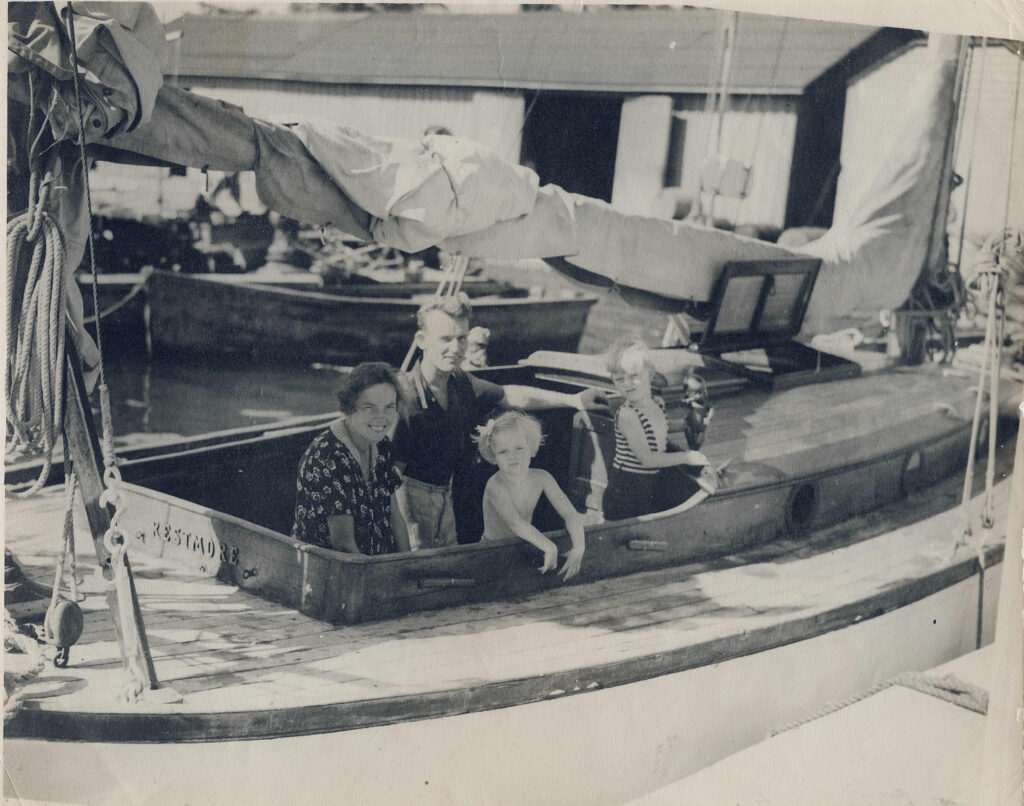
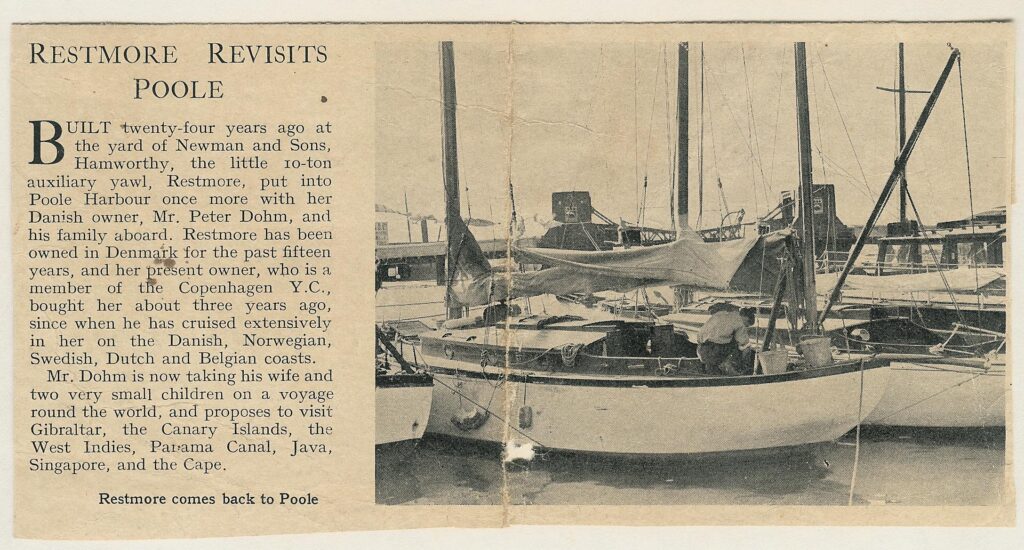
The Dohm family found their way to Barbados with the benevolent assistance of the gentle and supportive passerby. They saw frigatebirds and tropicbirds on the western edge of the Sergasso Sea, where Columbus had met them, and behind the ship lurked the shark in a lukewarm sea, full of flying fish at play. It was a long way to Miss Koch’s girls’ school, and almost as far to the family’s sailing loft in Nyhavn. Restmore made the trip in 30 days and then crocheted his way to the Windward Islands, and the islands in the lee – up to. Martinique and St. Thomas, and on to Puerto Rico, Haiti, Cuba and the thousand coral reefs in the Bahamas to Florida
When for once they made the inconvenience of looking at the Calendar. it was 1939, and the newspapers reported that it was a sensation in Europe that Chamberlain had flown to Munich to try to talk Mr. Hitler to reason.
Peter Dohm was German. He did not have Chamberlain’s naive faith in peace in our time, and when “the beautiful Adolph” and he was not on the same wavelength, he decided to stay on the other side of the Atlantic until a little more order had come to the political maelstrom – and there he has been ever since.
He sailed back to the Caribbean, while Else traveled home with the two children and a third, Per, who was born during the voyage. The berths were becoming too short for the big kids – and besides, the time was approaching when they would have to go to school – one must also be able to keep a logbook and calculate a noon height before setting sail from the wharf of childhood. Both Else and Peter knew that it is not enough to be able to sail a yawl. Restmore was sold (not the case) in Jamaica, and Peter took job on St. Thomas. There he stayed until the war was over.
No one raised a hair on his head. Ten years later, Else was ready to return to the Sunshine Islands with the three children, the youngest of whom, the fair-haired Per, was 11 years old.
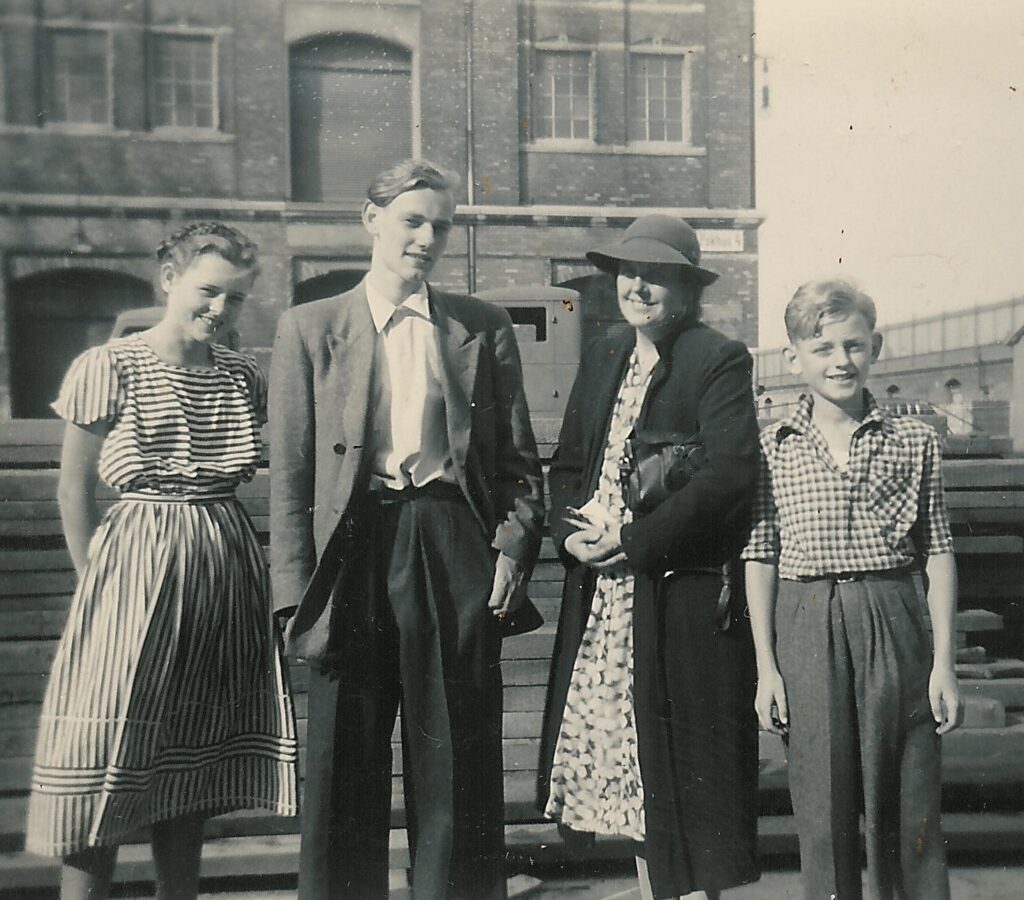
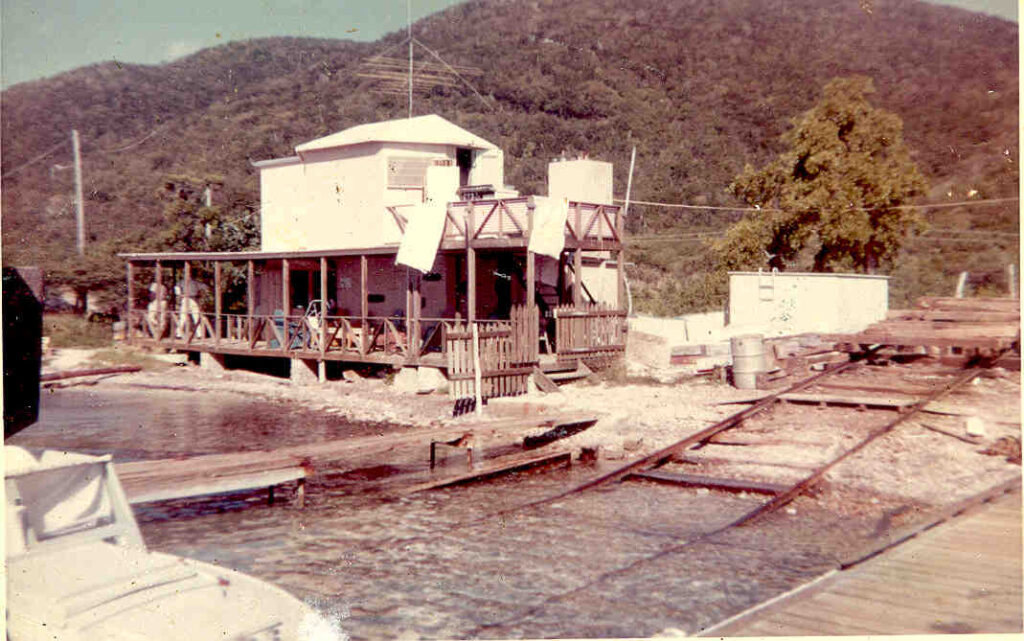
He looked like his father. He still looks like his father. He has the same love for the sea and ships – but not quite the same kind of restlessness in his blood. There is nothing that can really give information about where Peter Dohm senior is at the moment. The answer is a bit vague: somewhere in the Pacific. On board a ship. Probably a schooner. On a charter with tourists or cargo, or maybe just in ballast on the way somewhere between Upolu, Pago-Pago, Bora-Bora Apateki or Nukualofa. It has been a long time since he has been home. Before he left, he had a plot of land with a little sand and gravel, on a headland out on the east side of St. Thomas. He had cleared a thicket of seagrapes, and created wild confusion among the crabs on the beach, when he built a blue-painted shed with room for them all – an boathouse where one could stow one’s goods aside, and a somewhat wobbly approach bridge into the emerald green and turquoise blue well-sheltered bay, where smaller vessels can safely anchor, even when the trade winds blow up and sweep in through the doors and windows of the house.
If you would like to see a movie made in 1960 of the “Shack” in Red Hook click on this link for you tube
In the little shed, Else Dohm has sat as a ferrywoman since she returned to the warm shores of Dreamers. Here she has found peace, with a view of St. John and the large and small islands in the sea, which are called the British Virgin Islands. Per goes on a ferry trip between Red Hook and Caneel Bay or Cruz Bay on St. John, a stretch that takes a little under half an hour. At first, he carried passengers who had residence or official mission on the little island, and who from Red Hook could count on a bus to St. Thomas’ metropolis, Charlotte Amalie, whose shops had everything that a hermit from St. John could dream of. But then came Lawrence Rockefeller as the prince who, with a kiss and a sprinkling of oil dollars, woke Saint John from the sleeping beauty sleep that followed the great and bloody Slave rebellion in 1733, where the Blacks held the island for six months after a massacre, and after Peter von Scholten in 1848, forced by threats of new rebellions, abolished slavery, and thus dealt the death blow to the sugar industry, which caused the great plantations to crumble under the merciful green carpet of the jungle.
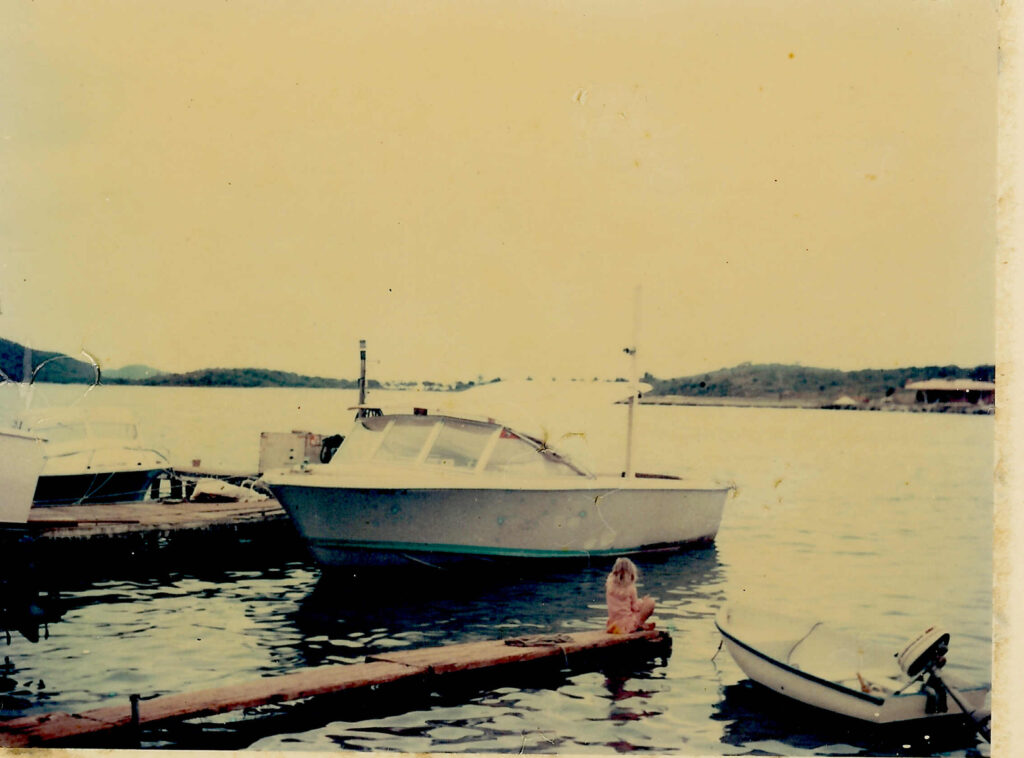
Rockefeller built a luxury hotel, created a national park, modernized St. John and now Per sails with tourists on fishing trips, on treasure hunts in pirate waters, on snorkeling excursions along beautiful coral reefs and the large motorboat, “Dohms Delight” has gained a whole bunch of other siblings cutters, dinghies, and new surfboards with drop keel and sails, which are called “Sunfish or Sailfish”.
Else Dohm is a shipowner and does not go out of her way to repair one of the new fashioned nylon sails if it tears in unskilled hands. She has employed a girl to sell Cooa-Cola, beer and popcorn to the tourists waiting for a trip- and she can afford to doze off in the rocking chair now and then, while the little splashes of the Caribbean run under the boat bridge (dock) and make crab nets wander in and out of the holes in the sand,
In Else Dohm’s Guestbook, Ports are listed, which we see every day in Film columns and Stock Exchange listings. awarded and well-heeled Beach-combers board “Dohm’s Delight” and if Rookefeller, Vanderbilt, Lady Bird Johnson, Henry Ford 3rd, Vice President Humphreys and Elizabeth Taylor join forces to charter the ferry, they can be content with paying a Dollar for each ticket and perhaps they will one day, for they all belong to Caneel Bay’s faithful clientele and to Else Dohm’s circle of acquaintances. But the Sailmaker’s Else is not impressed. Not by anything in this world.
She does not dream of a Red Hook Hilton. She would actually like the old days better, when you only looked at the calendar now and then to see what year you were in, and not at the second hand of your wristwatch. She sailed all the way, along the coast of Europe and Africa, to the Caribbean, for a find, a meaning in existence and a philosophy of life. She found what she was looking for. I envy her – and God knows if Rockerfeller, Humphreys, Elisabeth Taylor and the whole line of golden names in Red Hook’s Guest Book in weak moments agree with me ….
Hakon Miolohe.
An article in Århus Stiftstidende Sunday 12 March 1967

Wonderful! Thanks for sharing the story!